Sectional verses
I often talk about how some songs, particularly in older musicals, have an opening section to lead into the main song, that may not be well known. It tends to be a lot more freeform, and acts as a springboard to take the actor from dialogue to full singing. Wikipedia describes what I mean here. The exact terminology seems variable, but I’m going to call it a sectional verse even if I don’t like that term.
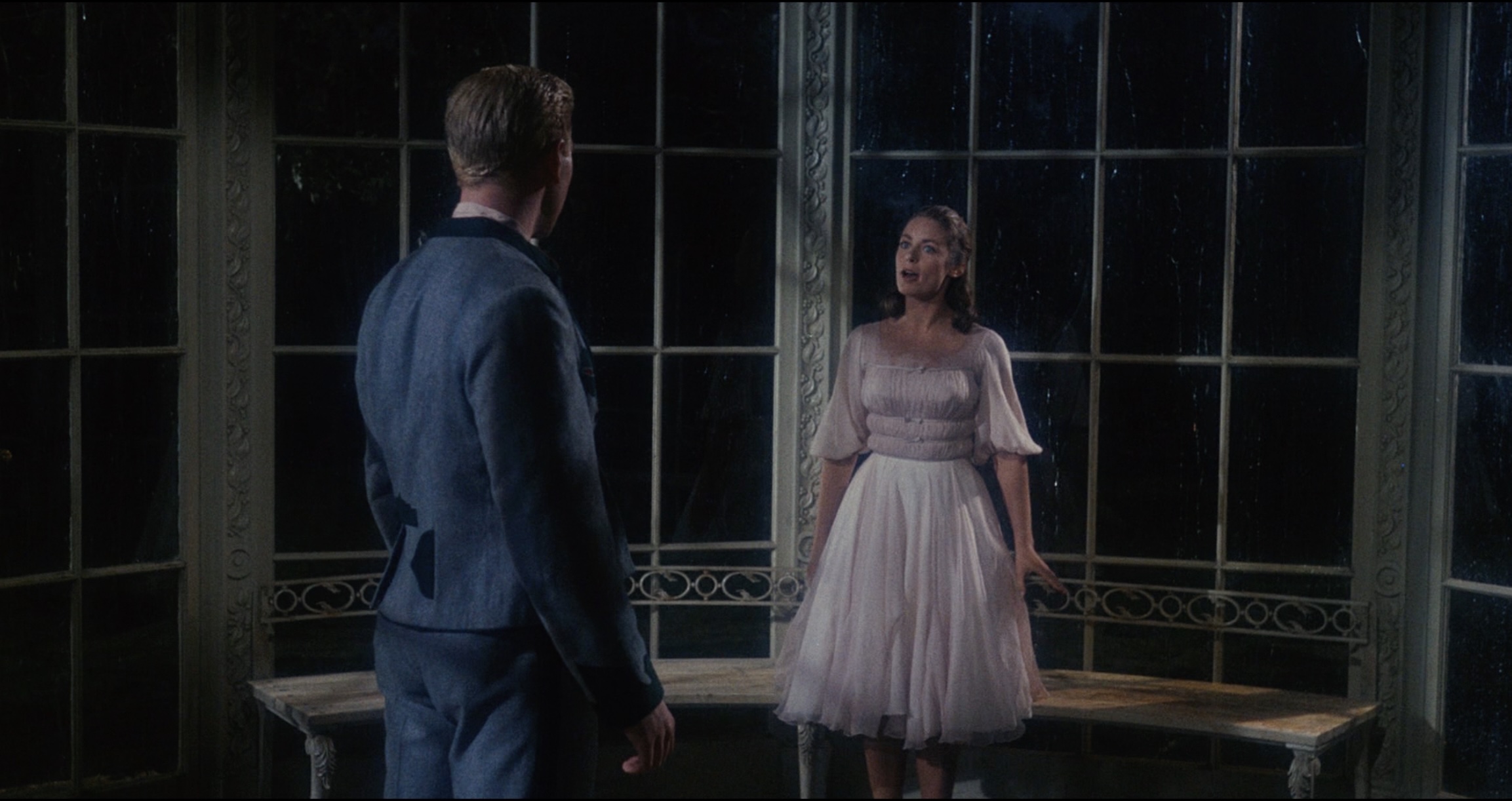
The sectional verse is a musical introduction that typically has a free musical structure, speech-like rhythms, and rubato delivery. The sectional verse served as a way of leading from the surrounding realistic context of the play into the more artificial world of the song, and often has lyrics that are in character and make reference to the plot of the musical for which the song was originally written. The key difference between it and a ‘regular’ verse is that once it’s done, we don’t return to it. We put aside the thoughts in that song, and the melody of it, and move forward with something new that forms the basis of the ‘main’ song.
This is a really useful technique when we’re improvising musicals, for two reasons. The first is the same reason they’re used in scripted musicals—they move us nicely from scene to song. Secondly though, it helps us feel free to begin a song without having it fully formed. We can use the sectional verse to explore the topic, and focus it, and find the hook of the song. Once we find it, we discard what’s come before, and launch into the main song e.g. an AABA pattern or a verse-chorus song.
I’ve made a YouTube playlist of songs with sectional verses. The list has many archetypal examples, and also songs that use the principle more loosely.